
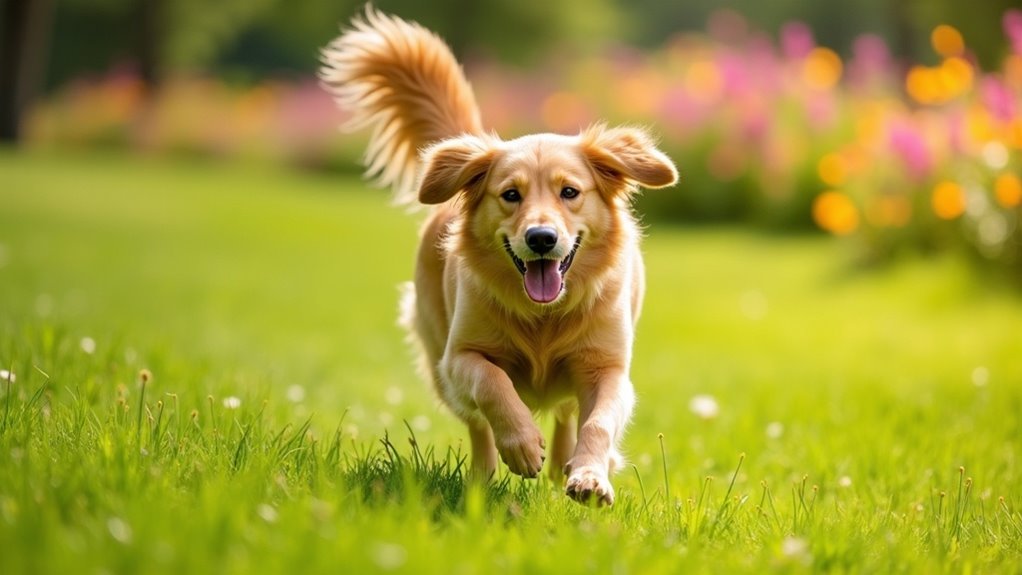
Dogs spin when excited because it’s a natural expression of their joy and enthusiasm. This behavior reflects their instincts, reminiscent of the pouncing tactics of their wild ancestors. Spinning serves as both a release for pent-up energy and an invitation for social interaction. While it’s usually a sign of happiness, excessive spinning can signal underlying issues. By understanding this behavior, you can better meet your dog’s needs and foster healthy habits. There’s much more to discover about their joyful antics!
Key Takeaways
- Dogs spin when excited as a natural expression of joy and enthusiasm, signaling their readiness for play or interaction.
- This behavior mirrors instincts from their wild ancestors, enhancing their emotional regulation during thrilling moments like walks or mealtimes.
- Spinning serves as a release for pent-up energy, helping dogs manage excitement and anxiety effectively.
- It acts as a social invitation, encouraging engagement with humans or other dogs during playtime.
- While occasional spinning is normal, excessive spinning may indicate underlying medical issues that require veterinary attention.
Understanding the Behavior: The Joyful Spin
When you see your dog spinning in circles, it’s more than just a quirky behavior; it’s a joyful expression of excitement. This spinning often signals anticipation for walks, playtime, or treats.
It’s a natural dog behavior that showcases their happiness and enthusiasm. Furthermore, your dog might be releasing excess energy, preparing them for more focused activities.
This delightful display can also act as a social invitation, encouraging interaction with you or other dogs. By understanding this joyful spin, you can better recognize your dog’s needs and guarantee they’ve stimulating activities for their overall well-being and happiness.
Instincts and Play: The Roots of Spinning
Understanding the joyful spin your dog exhibits goes beyond mere excitement; it taps into their instinctual behaviors rooted in play and hunting. This playful behavior mirrors their wild ancestors’ stalking and pouncing techniques. Breeds like Collies and Australian Shepherds may spin due to herding instincts, while anxious dogs might spin to manage emotions and release nervous energy. The thrill of play, walks, or meals often ignites this spinning, showcasing their joy and enthusiasm.
| Instinctual Behavior | Effect on Dogs |
|---|---|
| Hunting Mimicry | Releases energy |
| Herding Instincts | Enhances excitement |
| Coping Mechanism | Regulates emotions |
| Playful Expression | Boosts happiness |
Communication Through Circling: What It Means
When your dog spins in circles, it’s more than just a quirky behavior; it’s a way for them to express their enthusiasm and emotions.
This circling can serve as an invitation for play, showing their readiness to engage with you or other dogs.
Additionally, spinning acts as a healthy release for pent-up energy, helping your furry friend regulate their feelings and stay balanced.
Emotional Expression Through Spinning
Dogs spin in circles to express their excitement, a behavior that’s both endearing and communicative. This dog spinning reflects their emotional expression, signaling joy and enthusiasm, especially before play or walks.
The anticipation of a favorite toy or the arrival of a loved one often triggers this delightful behavior. Additionally, spinning can help your dog release built-up energy and manage emotions during high excitement or anxiety.
However, it’s crucial to monitor your dog’s spinning habits. Excessive or compulsive spinning may signal underlying emotional or health issues that need attention, ensuring your furry friend remains happy and healthy.
Inviting Playful Interaction
Spinning isn’t just an expression of excitement; it’s a powerful communication tool that invites playful interaction.
When dogs turn in circles, they signal their willingness to engage, showcasing their emotional state and readiness for fun. This behavior reflects their natural instincts and can also reveal their desire to connect with you or other dogs.
- Signals readiness for play
- Mimics instinctive herding behaviors
- Indicates high arousal and willingness
Energy Regulation Mechanism
Although it may seem like a simple act of excitement, circling can actually serve as a vital energy regulation mechanism for your dog. When your furry friend spins in circles, it helps them cope with nervous energy and express their emotions. This behavior often reflects anticipation for fun activities, such as playtime or walks.
| Behavior Type | Emotional State | Action Needed |
|---|---|---|
| Occasional Spinning | Excited or Happy | Enjoy the moment |
| Excessive Spinning | Anxious or Stressed | Monitor closely |
| Sudden Spinning | Possible Health Issue | Consult a vet |
When to Be Concerned: Medical Causes of Spinning
While it may seem like just a quirky behavior, excessive or sudden spinning can sometimes signal serious medical issues in your dog.
If you notice frequent spinning, consider these potential concerns:
- Vestibular disease, especially common in older dogs, leading to balance issues.
- Neurological problems, like head trauma or neurodegenerative diseases, requiring veterinary evaluation.
- Vision impairments that might cause disorientation and circling behaviors.
If spinning is accompanied by symptoms like vomiting, loss of appetite, or behavioral changes, it’s essential to consult a veterinarian.
Addressing these medical issues early can help guarantee your furry friend’s well-being and comfort.
Encouraging Healthy Spinning: Tips for Owners
When your dog’s excitement leads to playful spinning, it can be a joyful sight, but it’s important to channel that energy in healthy ways. Here are tips to encourage healthy spinning while fostering your dog’s mental stimulation:
| Tips for Healthy Spinning | Description |
|---|---|
| Provide Food Puzzles | Engage your dog’s mind during play. |
| Regular Exercise | Reduce excess energy through activity. |
| Use Commands | Redirect spinning into obedience fun. |
| Minimize Distractions | Create a calm environment for focus. |
| Identify Triggers | Understand what sparks excitement. |
Final Thoughts on Excitement and Spinning
When your dog spins with excitement, it’s not just a quirky behavior; it’s a natural expression of their instincts and a way to release energy.
This spinning can serve as a delightful mechanism for them to communicate their enthusiasm and invite you or other dogs to join in on the fun.
Instinctual Behavior Expression
Although you may find your dog spinning in circles during moments of excitement, this behavior is deeply rooted in their instinctual nature.
It’s a natural expression of joy linked to their wild ancestors. Dogs spin in circles to:
- Release pent-up energy from anticipation of activities.
- Communicate their enthusiasm to you and other dogs.
- Exhibit behaviors more common in breeds with strong herding or working instincts.
While excitement-induced spinning is normal, keep an eye out for excessive spinning, as it might signal underlying anxiety.
Embrace this joyful instinctual behavior, and enjoy the connection it fosters between you and your furry friend.
Energy Release Mechanism
Understanding the energy release mechanism behind your dog’s spinning can deepen your appreciation for their joyful antics. This behavior reflects their excitement and serves as a natural outlet for pent-up energy. By spinning, dogs express their emotions, inviting social interaction and reinforcing bonds with you and others.
| Stimulus | Behavior |
|---|---|
| Anticipating playtime | Spinning in circles |
| Going for a walk | Quick twirls |
| Seeing favorite people | Excited spins |
| Engaging with other dogs | Spirited circles |
As pet parents, recognizing these energetic displays helps manage your dog’s excitement safely.






