
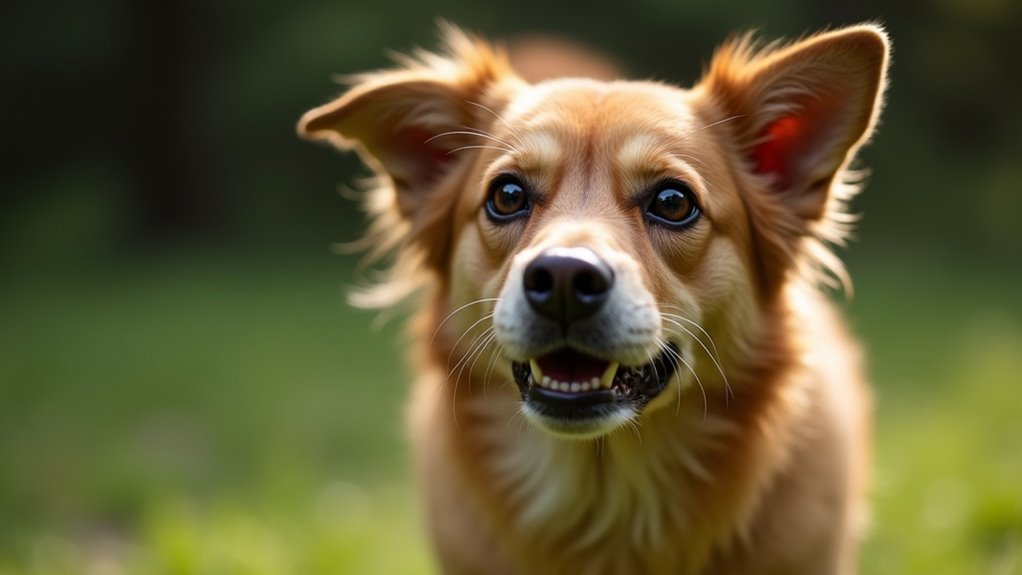
When your dog shakes due to nervousness, it’s often a sign of anxiety brought on by stressors like loud noises or unfamiliar places. This shaking acts as a coping mechanism, displaying their discomfort. You might notice other signs of stress, such as panting or a tucked tail. Creating a calm environment and recognizing these triggers can help ease their fear. There are effective strategies to help manage your dog’s anxiety in more detail that can provide relief.
Key Takeaways
- Dogs shake when nervous due to anxiety responses triggered by stressors like loud noises or unfamiliar environments.
- Shaking serves as a coping mechanism, helping dogs manage their fear and discomfort.
- Physiological reactions, such as increased heart rate and adrenaline, often accompany nervous shaking.
- Behavioral signs of nervousness include a tucked tail, panting, and seeking refuge, indicating a dog’s anxiety.
- Creating a calm environment and routine can help alleviate nervous shaking and promote a sense of safety.
Understanding Dog Shaking and Trembling
When your dog shakes, it can be concerning, especially if you don’t understand the reasons behind it. Shaking often stems from anxiety, triggered by stressors like loud noises or unfamiliar situations.
This response is your dog’s way of coping with fear, and it may be accompanied by signs like panting or a tucked tail.
Watch for early indicators of stress, such as lip licking or yawning, which can signal that your dog needs support.
Creating a safe space and using calming techniques can help alleviate shaking, fostering a sense of security and comfort for your furry friend.
Common Triggers for Shaking in Dogs
When your dog shakes, it often stems from specific triggers in their environment.
Stressful situations, like loud noises or unfamiliar places, can heighten their anxiety and lead to trembling.
Understanding these common triggers can help you support your furry friend in managing their stress.
Stressful Environments
Many dogs shake in response to stressful environments, reflecting their innate fight-or-flight instincts. Common triggers include loud noises, unfamiliar places, and changes in routine. When your dog experiences anxiety-induced shaking, recognizing these stressors can help you provide support.
| Trigger | Description |
|---|---|
| Loud Noises | Thunderstorms and fireworks create fear. |
| Unfamiliar Places | Veterinary clinics or crowded areas can unsettle. |
| Social Interactions | Encounters with strangers may provoke anxiety. |
| Routine Changes | Moving or new family members can cause stress. |
Being aware of these factors can empower you to create a calmer environment for your furry companion.
Emotional Responses
Dogs can display a range of emotional responses to various triggers, with shaking being a notable sign of anxiety. Common causes for shaking in dogs include loud noises, unfamiliar environments, and separation from you.
This physical response often results from emotional stress, where whole-body trembling accompanies other signs of distress like panting or hiding. For instance, during veterinary visits, the unfamiliar setting can heighten your dog’s anxiety, leading to shaking.
The Role of Anxiety and Fear
Although it may seem perplexing, nervous shaking in dogs often stems from deep-seated anxiety or fear. When faced with loud noises, unfamiliar places, or strangers, your dog may react with trembling as part of their fight-or-flight response.
This physiological reaction is accompanied by increased heart rate and adrenaline release, which heightens their distress. You’ll notice additional signs of anxiety, like panting, hiding, or a tucked tail, indicating their emotional state.
Understanding these signs can help you support your pet. Consulting a veterinarian or animal behaviorist can provide effective strategies to manage their anxiety and improve their well-being.
Physical Responses to Stress
When faced with stress, your dog might exhibit a range of physical responses that signal their discomfort. Shaking is a common physiological response to anxiety, manifesting as whole-body trembling or localized quivers. This reaction often accompanies other signs, like panting or hiding. Understanding these signals can help you support your furry friend in managing their stress.
| Physical Response | Description |
|---|---|
| Shaking | Trembling due to anxiety |
| Panting | Rapid breathing under stress |
| Hiding | Seeking safety or comfort |
| Tail Tucking | Indicating fear or submission |
Recognizing these signs is essential for their well-being.
Importance of a Calm Environment
Creating a calm environment plays a vital role in helping your dog manage anxiety and reduce shaking during stressful situations. A quiet, familiar space with comforting items, like blankets or toys, can make your dog feel secure and less likely to exhibit stress-related behaviors.
Minimizing environmental stressors, such as loud noises and chaotic activities, is essential, as these can heighten nervousness and trembling. Establishing consistent routines gives your dog a sense of predictability, alleviating anxiety.
Additionally, using positive reinforcement to reward calm behavior helps your dog associate potentially nerve-wracking situations with positive experiences, promoting tranquility and reducing shaking.
When to Seek Veterinary Help
Recognizing when to seek veterinary help for your dog is essential, especially if you notice sudden shaking without an obvious cause.
If shaking is new and accompanied by symptoms like vomiting, lethargy, or loss of appetite, it’s important to get immediate veterinary care. Persistent or severe shaking should also prompt a visit, as it may indicate underlying health issues.
If your dog is shaking and showing symptoms like vomiting or lethargy, seek veterinary care immediately.
Additionally, if your dog shows signs of distress or pain alongside shaking, don’t hesitate to seek urgent care.
Regular check-ups are crucial for aging dogs to monitor their health and address any concerns promptly, ensuring they receive the care they need.
Strategies to Calm a Nervous Dog
Helping a nervous dog can be a rewarding experience, especially when you see the positive changes in their behavior. Start by creating a safe space with familiar items like their bed or toys, which can help reduce anxiety.
Implement calming techniques such as gentle petting or massage, as physical touch soothes them. Establishing a consistent daily routine provides structure, making your dog feel secure.
Additionally, use distraction methods like engaging toys or treats to redirect their focus from stressors. If their anxiety remains severe, consult your veterinarian about potential anti-anxiety medications or supplements to further alleviate shaking and anxiety.
Recognizing Other Causes of Shaking
While nervousness often leads to shaking, it’s important to recognize that excitement can also trigger this response in dogs.
For instance, a dog might shake with joy when anticipating playtime or a walk.
Additionally, environmental factors like cold temperatures can cause shivering, which may be mistaken for anxiety.
Excitement-Induced Shaking
When you greet your dog or prepare for a fun outing, you might notice some excitement-induced shaking, which is a common behavior in many dogs.
This shaking often signals enthusiasm and joy, typically accompanied by a relaxed body and a wagging tail. Unlike anxiety-related shaking, excitement-induced shaking usually decreases as your dog calms down.
To maintain a balanced environment, consider keeping interactions calm and structured, which can help minimize excessive shaking.
While this behavior is normal, always monitor your dog for any signs of distress or concerning symptoms that may indicate underlying issues.
Cold Temperature Response
Although dogs often shake due to excitement or anxiety, they can also shiver in response to cold temperatures.
This cold temperature response is particularly evident in small, thin-coated, young, or elderly dogs, who struggle to retain body heat. Shaking in these cases usually stops once your dog is warmed up, indicating it’s a temporary reaction.
However, prolonged exposure to cold can lead to hypothermia, a serious condition that requires immediate attention.
Always verify your furry friend has adequate shelter from the elements, as their sensitivity to temperature changes can greatly impact their health and well-being.






