
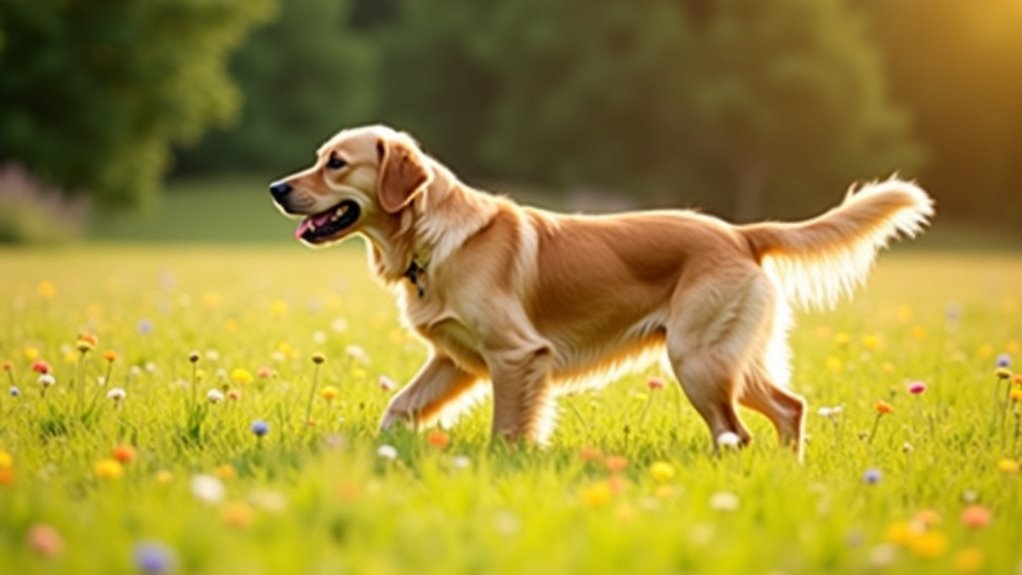
Dogs circle before lying down due to instinctual behaviors inherited from their wild ancestors. This circling helps them create a comfortable sleeping area by flattening grass and driving away insects. It also serves as a communication cue, indicating readiness to rest or expressing anxiety, especially in senior dogs. If a dog circles excessively, it could signal discomfort or pain. Understanding this behavior can enhance your bond with your pet, and there’s more to discover about it.
Key Takeaways
- Dogs circle before lying down due to instinctual behavior inherited from wild ancestors, ensuring a safe and secure sleeping area.
- This circling action helps them flatten grass or underbrush, removing debris and pests for a more comfortable resting spot.
- Circling also allows dogs to redistribute their body weight, enhancing relaxation on uneven surfaces and accommodating any physical limitations.
- In senior dogs, circling may indicate discomfort, restlessness, or cognitive changes, requiring attention from their owners.
- Creating a cozy and safe sleeping environment encourages this natural behavior, promoting overall comfort and well-being during rest.
A Glimpse Into the Wild: Instincts That Linger
Although you may find it amusing when your dog circles before settling down, this behavior is rooted in instincts that trace back to their wild ancestors.
Circling behavior helped their predecessors, like wolves, create a secure sleeping area by flattening grass or underbrush, ensuring safety before rest. This instinct also served to drive away insects and pests, enhancing comfort.
Despite our dogs’ generally safe environments, this behavior remains, reflecting their deep-rooted survival instincts. Understanding this can deepen your bond with your furry friend, as you appreciate the connection they’ve to their wild lineage and the innate need for security.
The Comfort Factor: A Built-In Bed-Making Routine
When your dog circles before lying down, it’s more than just a quirky habit; it’s a built-in bed-making routine that reflects their deep-seated instincts for comfort.
This comfort-seeking behavior helps dogs redistribute their body weight, enabling ideal relaxation on uneven surfaces. By circling, they can also uncover uncomfortable objects or debris, ensuring a pleasant sleeping environment.
Circling allows dogs to redistribute weight and clear away discomfort, ensuring a cozy and restful sleep environment.
For senior dogs, this act becomes vital, allowing them to ease tension and test positions before settling down.
Ultimately, when dogs circle, they’re instinctively creating a secure and cozy resting spot, enhancing their overall comfort and well-being.
Circling as a Communication Cue
Circling before lying down serves not just a comfort function but also acts as a communication cue between dogs.
When your dog circles, it can indicate various things, including:
- A signal to others that they’re preparing to rest
- A reflection of territoriality in multi-pet households
- An expression of restlessness or discomfort, especially in seniors
- A sign of anxiety or distress, prompting your attention
- A way to show comfort with their environment, claiming the space
Understanding these cues can help you better support your dog’s needs and strengthen your bond.
Pay attention to their circling behaviors; they’re trying to communicate with you.
Senior Pets and the Circling Connection
As dogs age, their physical and cognitive abilities can decline, making familiar behaviors like circling before lying down take on new significance.
Senior dogs may circle due to physical limitations, such as arthritis, which complicate their search for a comfortable position. Additionally, cognitive changes can lead to restlessness, causing them to circle more as they struggle to settle down.
This behavior often helps ease tension in their muscles and joints. Recognizing excessive circling is essential; it might signal discomfort or pain, prompting you to seek veterinary advice to enhance your senior dog’s quality of life through appropriate care and support.
When Circling Signals Trouble
Observing your dog circle excessively before lying down can be concerning, especially if it seems out of character. This behavior might indicate underlying issues.
Excessive circling before lying down may signal underlying issues; pay attention to your dog’s behavior for their well-being.
Watch for these signs:
- Vocalizations during circling
- Difficulty shifting from circling to lying down
- Struggling to find a comfortable position
- Increased frequency or intensity of circling
- Signs of distress, such as whining or panting
If you notice these symptoms, it’s essential to consult a veterinarian.
Early detection can improve your dog’s quality of life, so stay vigilant and attentive to their needs. Your care can make a difference in their well-being.
Helping Your Dog Settle Comfortably
To help your dog settle comfortably, it’s essential to understand their natural nesting behavior and the impact of surface comfort.
Evaluating the textures and support of their sleeping area can greatly enhance their rest.
Additionally, providing a safe, quiet space allows your dog to feel secure, encouraging their instinctive circling before lying down.
Understanding Nesting Behavior
Understanding your dog’s nesting behavior is essential for ensuring they settle comfortably and feel secure in their environment.
Recognizing this instinctual action can lead to better support for your furry friend. Here are some key aspects of their nesting behavior:
- Circles help flatten surfaces for comfort.
- It redistributes body weight for maximum relaxation.
- Uneven surfaces trigger more circling.
- The behavior can deter potential pests or threats.
- Accommodating this instinct enhances overall well-being.
Assessing Surface Comfort
When you’re helping your dog settle comfortably, examining the surface they’re lying on can make a significant difference.
Dogs often circle before lying down, especially on uneven surfaces like shag carpet, as this behavior allows them to redistribute their weight and flatten the area beneath them.
By evaluating the comfort of their resting spot, you guarantee they’ve a clean, safe space, free from hidden debris or pests.
Understanding your dog’s circling behavior can reveal their comfort preferences, enhancing their overall resting experience and promoting their well-being.
Your attentiveness helps create an inviting environment for your furry friend.
Providing Safe Spaces
Creating a secure and comforting environment for your dog is essential for their overall well-being. To help them settle comfortably, consider these tips:
- Designate a cozy sleeping area with soft bedding.
- Observe how your dog circles before lying down to understand their preferences.
- Make certain the space is free from hazards and debris, much like how they’d pat down tall grass.
- Encourage them to Turn Around until they find the perfect spot.
- Regularly refresh their bedding to maintain cleanliness and comfort.
Embracing the Ritual With Understanding
As you observe your dog circling before settling down, consider that this instinctual ritual goes beyond mere habit; it’s a deeply ingrained behavior passed down from their wild ancestors. This circling not only prepares their resting area but also stems from survival instincts, reflecting their need for comfort and security.
| Purpose | Explanation |
|---|---|
| Evaluating | Wild dogs evaluate their environment for threats. |
| Comforting | Flattening uneven surfaces for better rest. |
| Nesting | Clearing debris to create a cozy space. |
| Instinctual | A reflection of their ancestral behaviors. |
Understanding this enhances your pet care practices.






